When you hand guests the keys to your vacation rental, you are also handing yourself a legal duty: to keep that property reasonably safe for the people staying in it. That duty is called premises liability, and it is the legal foundation for most lawsuits short-term rental owners face. A single serious guest injury can produce a claim large enough to threaten not just your rental, but your personal savings.
Knowing where injuries happen, what the law expects of you, and how the right coverage responds is the core of protecting your investment.
What Premises Liability Means for Hosts
Premises liability holds property owners responsible for injuries caused by unsafe conditions on their property. As an STR host, you owe paying guests a high standard of care — you are expected to maintain the property, fix or warn about known hazards, and not let dangerous conditions linger. If a guest is hurt because you failed to meet that standard, you can be held legally and financially responsible.
What makes this risky for hosts is the scale of the exposure. A guest does not have to prove you were reckless — only that you were negligent, and that the negligence caused their injury. Defense alone is expensive, and a serious injury can produce a six- or seven-figure demand.
The Most Common Guest Injury Claims
Slips, Trips, and Falls
The everyday workhorse of premises liability. Wet pool decks, slick bathroom floors, loose rugs, icy walkways, and uneven steps all cause falls. These claims are common and can be severe when an older guest breaks a hip or hits their head.
Pools and Hot Tubs
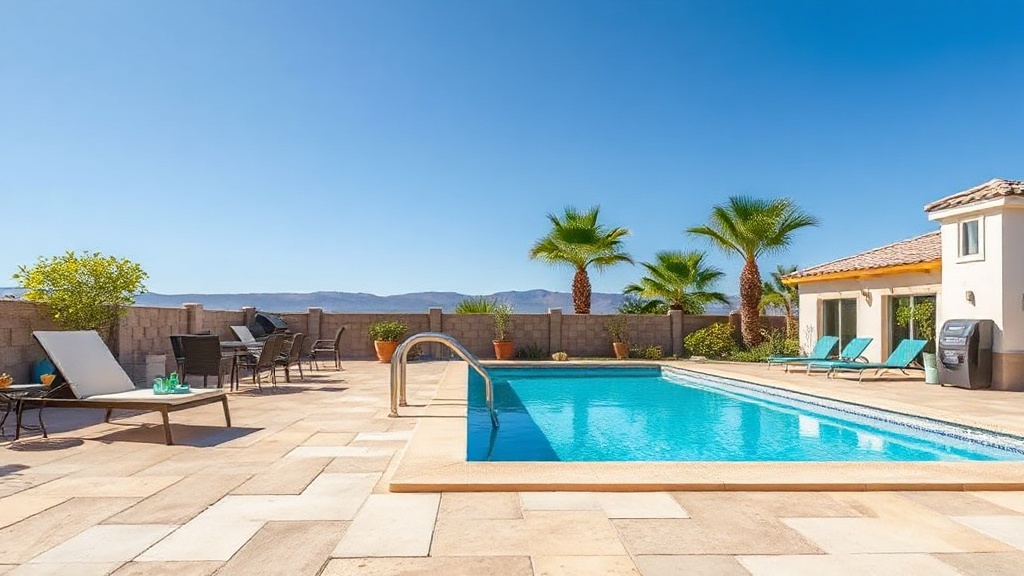
Water is the single highest-risk amenity at any rental. Drownings and near-drownings — especially involving children — are catastrophic claims. Hot tubs add scalding, slips on wet surrounds, and chemical injuries. Pools and spas are the leading reason hosts need high liability limits.
Balconies, Decks, and Stairs
Railing failures, rotted deck boards, and poorly lit or steep stairs cause falls from height that produce some of the most serious injuries. A balcony or deck collapse with multiple guests on it can generate several claims at once.
Carbon Monoxide
A faulty furnace, water heater, generator, or gas appliance can fill a closed rental with carbon monoxide. CO claims are among the most devastating because they can injure or kill an entire family. Detectors are cheap; the claims are not.
Dog Bites and Animals
If you keep a pet on the property, or allow guest pets, animal-related injuries become a real exposure. Dog bite claims in particular can be large and are often disputed on coverage grounds.
Safety Measures That Reduce Your Risk
The best claim is the one that never happens. Reasonable, documented safety measures both protect guests and strengthen your defense if a claim does occur.
- Install and maintain smoke and carbon monoxide detectors on every level and near sleeping areas; test them between stays.
- Fence and secure pools and hot tubs with self-latching gates, post depth and safety signage, and supply covers.
- Inspect decks, balconies, and railings regularly for rot, loose fasteners, and stability.
- Light walkways, stairs, and entries to eliminate dark hazards, and add non-slip treads where appropriate.
- Clear trip hazards — secure rugs, repair uneven flooring, and keep walkways free of clutter.
- Provide clear safety information in your house manual: emergency numbers, equipment instructions, and hazard warnings.
Document Everything
Keep dated records of inspections, repairs, and maintenance. If a guest claims a hazard caused their injury, proof that you inspected and maintained the property is one of your strongest defenses. Photos, receipts, and a simple maintenance log can make the difference between a defended claim and a paid one.
Why Liability Limits Matter So Much
When a guest injury becomes a lawsuit, your liability limit is the ceiling on what your policy will pay. If a drowning or balcony collapse produces a $2,000,000 judgment and you carry only $500,000, you are personally responsible for the remaining $1,500,000 — which can mean your savings, other properties, and future income.
- Most hosts should carry at least $1,000,000 per occurrence in liability.
- Properties with pools, hot tubs, docks, or higher occupancy warrant more.
The Role of an Umbrella Policy
An umbrella policy adds an extra layer of liability — typically $1,000,000 or more — on top of your underlying coverage, for a modest premium. Because the worst guest injury claims are exactly the ones that blow past standard limits, an umbrella is the most cost-effective protection a host can buy. It is the difference between a covered catastrophe and a personal financial one.
Protect Your Guests and Yourself
Premises liability is not a risk you can opt out of once you start hosting — but it is one you can manage. Combine reasonable safety measures, honest documentation, strong liability limits, and an umbrella, and you turn a frightening exposure into a covered one.
We specialize in short-term and vacation rental liability and are licensed in all 50 states. Call 844-967-5247 or request a quote through our online form, and we will help you set limits and coverage that actually match the way guests use your property.